London's Metropolitan Police Orders Officers to Confess Masonic Membership in Bold Push for Transparency

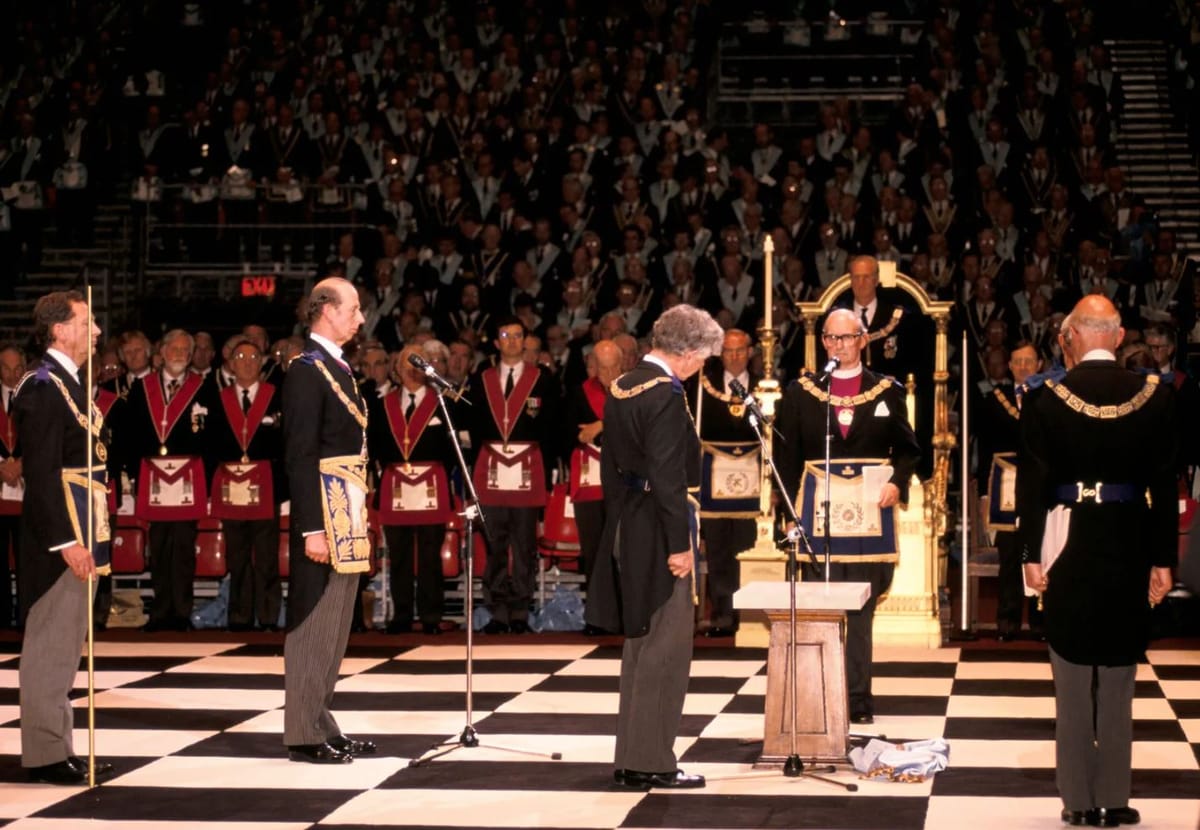
Freemasons have asked a high court for an urgent order to stop the Metropolitan Police's new rule. This rule requires officers to tell their bosses if they belong to the Freemasons group.
The Freemasons submitted their request in London on Christmas Eve. They argue that the Met's rule is like "religious discrimination" against Freemasons who work as police officers.
They claim the Met commissioner, Sir Mark Rowley, "is making up the law on the hoof" and say his police force is "whipping up conspiracy theories" about how Freemasons might have too much influence.
The Met plans to fight this in court because they see the rule as a way to rebuild public trust. Right now, there's an ongoing investigation into a case that includes claims of Masonic influence and possible wrongdoing.
In December, the Met announced that anyone who is or was part of a "hierarchical organisation that requires members to support and protect each other" must report it.
The police say a survey of their officers and staff found that two-thirds support the rule because it "affects public perception of police impartiality". There have also been past accusations that being a Freemason could lead to corruption.
Adrian Marsh, the chief executive of the grand lodge, said he thinks the court hearing for the urgent order will happen by next month, or even sooner. If a senior judge approves it, the order would pause the new rule until a full court review. In that review, the Freemasons want the rule thrown out completely.
The Freemasons say the rule started in December is religious discrimination because members must have religious faith. They also say the Met has basically admitted they need to do a better consultation process.
Marsh said: “They did not have an effective consultation before they announced the policy, which came into immediate effect. The policy is illegal, unfair and discriminatory. It breaches the human rights of our members.”
He added: “To date, the consultation process has been wholly inadequate, prejudicial and unjust and this injunction is the first step we must resort to, to protect our members whose integrity is impugned by the Met decision.”
Claims under human rights law are more likely to win if they show unfair treatment based on a protected trait, like race, religious beliefs, or sexual orientation. The Freemasons say this applies to them.
Marsh said: “The fact you have to have faith to be a Freemason does make it a protected characteristic under human rights law.”
The Freemasons point out that letters from the Met's lawyers show the police agreeing to do a fuller consultation about the new rule.
Marsh said he doesn't know if Met officers who are also Masons are telling their managers about their membership: “Our advice to them is to discuss any concerns with the Police Federation who are also strongly against this policy.”
A Metropolitan police spokesperson said: “We are aware of the judicial review launched, challenging our change to the declarable association policy. We will be defending this.
“The changes to our declarable associations policy were made following feedback that involvement in these types of organisations could call impartiality into question or give rise to conflict of loyalties. We won’t be commenting further while proceedings are ongoing.”
The topic of Freemasons in the Met has been around for a long time, but past leaders either didn't think stricter rules were needed or decided it wasn't worth the trouble.
The Guardian has learned that a recent case of possible wrongdoing in the police includes claims that the actions being investigated might be connected to Freemasonry.
For years, the Met has had information suggesting possible corruption tied to friendships formed through Freemason membership, but nothing has been proven in a criminal court.
Police spied on group set up to expose wrongdoing in Met, inquiry hears
This issue has troubled policing for years, with many claims that being a Freemason has led to people covering up mistakes to follow the group's rule that members should support each other.
The official investigation into the 1987 murder of private investigator Daniel Morgan and the police corruption that slowed down finding his killers suggested stronger rules on Freemasons in policing.
It pointed out that one detective involved was a Freemason who later worked with a main suspect, and that “10 police officers who were prominent in the Daniel Morgan murder investigations were Freemasons”.
But it also said: “The panel has not seen evidence that masonic channels were corruptly used in connection with either the commission of the murder or to subvert the police investigations.”
Special police groups called lodges have been created, like the Manor of St James’s for Met officers, and Sine Favore, which was started in 2010 by Police Federation members.